Posts

Showing posts with the label dental tip

Blood in Saliva: Reasons and Concerns

Image
  Blood in saliva or spit up can be a worrying symptom that might point to underlying medical conditions. This phenomenon might manifest as minor crimson streaks or larger blood volumes. Even though gum disease and oral traumas are frequent causes, screening out more severe illnesses, including infections, lung problems, or gastrointestinal disorders, is important. Medical evidence indicates that 20% of infants between the ages of seven months and five years have blood in their spit-up due to poor vitamin K levels at birth. Vitamin K must be present for blood to clot. Deficiency in vitamin K is the leading cause of bleeding. Causes of Blood in the Mouth in the Morning After Sleeping If you're spitting blood in the morning but are clear throughout the day, it's important to identify the cause. Here are some potential reasons: Teeth Grinding During Sleep: This can cause minor injuries in the mouth.  Hormonal Changes: Conditions like pregnancy or menopause in women can lead to...

5 Autoimmune illnesses that may harm your oral health

Image
  The immune system is a complicated network that protects our bodies from dangerous germs and chemicals. When it fails, it might result in autoimmune diseases that attack healthy tissues . Over 100 autoimmune disorders occur and affect many regions of the body, including the mouth. 1) Crohn's Disease causes inflammation in the digestive tract, resulting in symptoms such as abdominal pain and diarrhea. Due to shared inflammation, this illness frequently causes oral difficulties such as mouth ulcers and gum swelling. 2) Sjogren's syndrome affects moisture-producing glands, resulting in diminished saliva flow. This dryness promotes oral bacteria, which causes dry mouth, foul breath, and mouth sores . 3) Systemic Lupus Erythematosus (SLE) is a chronic autoimmune illness that affects multiple organs. It complicates dental operations and raises the risk of oral ulcers.            4) Oral Lichens Planus is an inflammatory illness that affects oral t...

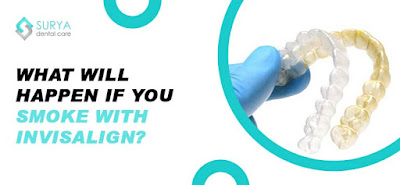
can you smoke with Invisalign?

Image
  The article highlights the following important elements when discussing how smoking affects Invisalign treatment: Invisalign Introduction : Invisalign is a well-liked non-metal braces teeth-straightening technique that emphasizes comfort and removability. Risks Associated with Smoking : It is not recommended to smoke while using Invisalign since it may discolor the aligners and have detrimental effects on oral health. Effects of Smoking : Smoking raises the risk of lung and heart issues, gum disease, tooth discolouration, and foul breath. Impact on Treatment : If aligners aren't worn enough, smoking while wearing them can stain them, raise the risk of gum disease, and produce bad breath. Advice for Smokers : It is recommended that smokers cut back on daily cigarette use, brush and floss after smoking , and only smoke when their aligners are taken off. Additional Precautions : They recommend brushing your teeth before re-putting in your aligners, smoking during meals, c...

What does a dental fistula mean?

Image
  Definition and Origin:  — A dental fistula is a canal arising from oral infections, typically within a tooth, manifesting as a pimple-like bump on gums.  — Originating at a tooth’s root, it extends to the gum surface, creating a channel depositing pus, resulting from underlying infections. Causes of Oral Fistula:  — Primarily linked to dental abscesses, forming as white blood cells surround infection microbes, causing swelling and identifying weak areas in oral tissues.  — Common causes include deep tooth decay, gum infections, wisdom teeth, poor dental hygiene, and post-operative issues.  Symptoms:  — Not typically painful, dental fistula presents warning signs:  — Small bumps on gums  — Pus discharge  — Swollen gums  — Teeth sensitivity  — Enlarged nodes in neck and jaw  — Tooth pain radiating to ear and neck Treatment:  — Diagnosis involves visual assessment and x-rays, addressing underlying issues to prevent complications.  — Treatment options may include antibiotics, dr...

Is tooth gemination the reason for double teeth in babies?

Image
  An uncommon dental aberration known as   tooth gemination   occurs when a tooth’s morphology is altered, giving the appearance of a merged bifid crown. It may be distinguished from tooth fusion and is more common in upper front infant teeth than in molars. Although the exact origin is unknown, potential causes include vitamin shortages, infections, trauma, abnormal hormone levels, genetic predispositions, and certain drugs. Geminated teeth retain their usual number of teeth, in contrast to fused teeth. Due to their huge gaps between teeth, ability to impede neighboring teeth from erupting, malocclusions, bite abnormalities, and uneven dental arches, teeth with gemmation provide both aesthetic and practical challenges. There’s also a chance of delayed permanent tooth eruption. The diagnosis is made by counting teeth, and distinction is aided by an intra-oral periapical radiograph. Options for treatment vary but frequently involve shaving and smoothing two teeth, surgical...

6 important vitamins for teeth and gums

Image
  A dental-friendly diet and appropriate  oral hygiene  habits are essential to maintaining good oral health. Vital nutrients are essential for strengthening teeth and gums. 1)  Calcium:  Rich in calcium, which is found in both dairy and non-dairy foods including broccoli, sesame seeds, almonds, beans, and lentils, teeth and bones are built on this mineral. 2)  Potassium:  Balances blood acidity, protecting teeth and jaw bones. Foods high in potassium include avocados, tomatoes, bananas, and several types of fish, such as trout and tuna. 3)  Inorganic:  aids in calcium absorption for maximum benefits. Eggs, paneer, red meat, shellfish, soy, and whole grains are some examples of sources. 4)  Vitamin D:  Promotes the immune system and helps absorb calcium. Soybeans, spinach, mushrooms, and seafood such as herring and salmon are examples of sources. 5)  Alcohol:  vital for the production of saliva and for maintaining dental h...